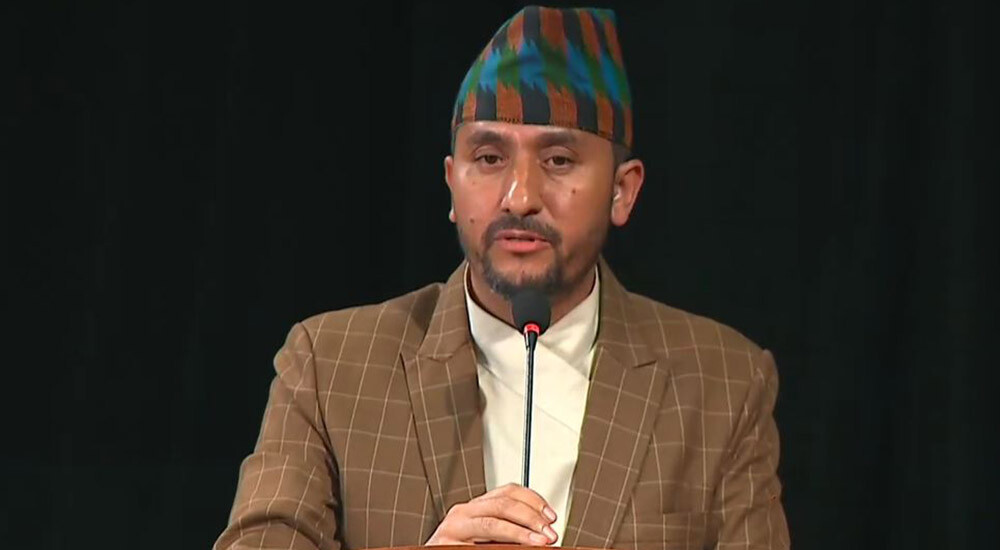
Jagdish Kharel, a respected journalist and media personality, is now serving as the Minister for Communication & Information Technology in Nepal’s interim government. His appointment marks a rare shift from media to policymaking, raising both hope and skepticism.
Can a journalist truly transform Nepal’s communication and digital sector?
What reforms are most urgent—press freedom, digital rights, or media transparency?
How should he balance the growing demand for freedom of expression with government attempts to regulate social media?
What role should he play in protecting citizens’ data privacy and ensuring internet access for all?
Can he push for a digital Nepal where innovation, startups, and IT industries thrive?
As citizens, we must demand accountability, transparency, and inclusiveness in policy decisions that will shape our digital future. Jagdish Kharel’s background gives him credibility—but does he have the political will to deliver real change?
Share your expectations, ideas, and concerns. Let’s discuss whether his leadership can bring meaningful progress or if it’s just another political appointment.
Jagdish Kharel, as Nepal’s Minister for Communications and Information Technology, is steering a multifaceted approach to foster a digital transformation in Nepal. Here’s an insight into his initiatives and the challenges he faces:
Initiatives
Free Wi-Fi in Major Cities: His first action involved the directive for the Nepal Telecommunications Authority (NTA) to offer free Wi-Fi in public spaces across 10 cities, aiming to enhance digital accessibility.
Revised Online Media Registration: Streamlining the registration process for online news portals, allowing them to register directly with the Department of Information.
Protecting Journalists: A commitment to journalists’ safety, focusing on investigating incidents impacting media personnel.
Advancing AI Policy: Prioritizing the advancement of a national AI policy in line with Nepal’s “IT Decade” vision from 2024 to 2034.
Challenges
Despite promising initiatives, several obstacles impede progress:
Infrastructure and Access
Digital Divide: The gap persists between urban and rural areas, hindering equitable internet access.
Rugged Geography: Mountainous terrain complicates infrastructure development in remote areas.
Unreliable Power: Frequent outages challenge the sustainment of digital services.
Policy and Regulatory Environment
Digital Rights Concerns: Previous regulatory actions have sparked concerns over freedom of expression.
Policy Gaps: The lack of comprehensive digital policies has slowed down progress, despite ongoing attempts to address this.
Low Digital Literacy: A significant portion of the population lacks digital literacy, limiting the effectiveness of digital initiatives.
Rampant Cybercrime: Cybercrime rates are rising, reflecting vulnerabilities in cybersecurity infrastructure.
Lagging Innovation: Ranked 109th in the Global Innovation Index 2024, Nepal faces challenges in leveraging technology for broader societal advancements.
Through these initiatives and by addressing the outlined challenges, Jagdish Kharel aims to position Nepal at the forefront of digital innovation and inclusivity.
Jagdish Kharel, Nepal’s newly appointed Minister for Communications and Information Technology, is spearheading efforts to transform Nepal’s digital landscape. Here are the main initiatives and challenges related to this endeavor:
Key Initiatives
Public Free Internet: A primary decision from Kharel includes providing free internet access in public spaces across 10 major cities within five months, aiming to enhance access for students and professionals.
Radio Nepal Modernization: Emphasizing the need for state broadcasters to adapt and leverage modern technologies to compete with private media outlets, which supports broader digital transformation.
Digital Nepal Framework 2.0 (DNF 2.0): The updated framework emphasizes accelerating digital transformation across sectors like governance, health, education, and finance, supported by a budget of Rs. 107.5 billion.
Digital Infrastructure Expansion: Investments aim to expand broadband, improve 4G, and introduce 5G services in Kathmandu and major cities.
Digital Financial Services: Establishing a digital bank and promoting cashless transactions to modernize Nepal’s financial sector, linked with cross-border payment systems.
National AI Policy: Endorsed in August 2025, this policy aims to leverage AI across sectors in line with the Digital Nepal Framework.
Public-Private Partnerships: Collaboration is emphasized through events like the “Digital Nepal Conclave 2025.”
Challenges
Digital Divide: Significant gaps in connectivity and affordability between urban and rural areas persist.
Infrastructural Gaps: Challenges include unreliable electricity and internet services, especially in remote areas.
Digital Literacy: Low levels among marginalized communities and the elderly hinder effective use of digital services.
Cybersecurity Threats: Significant increase in cybercrime, including financial fraud and hacking, highlights vulnerabilities.
Regulatory and Policy Challenges: Slow policy implementation due to bureaucracy and coordination issues; concerns over privacy and free speech with potential controversial legislation.
Skills Gap: A shortage of skilled IT professionals due to brain drain and outdated education curricula persists.
Addressing these initiatives and challenges, Jagdish Kharel’s leadership seeks to position Nepal at the forefront of digital innovation and inclusivity.
 Questions for the community:
 Share your expectations, ideas, and concerns. Let’s discuss whether his leadership can bring meaningful progress or if it’s just another political appointment.